

The first thing that Yale Law School did for me was make my dad happy.
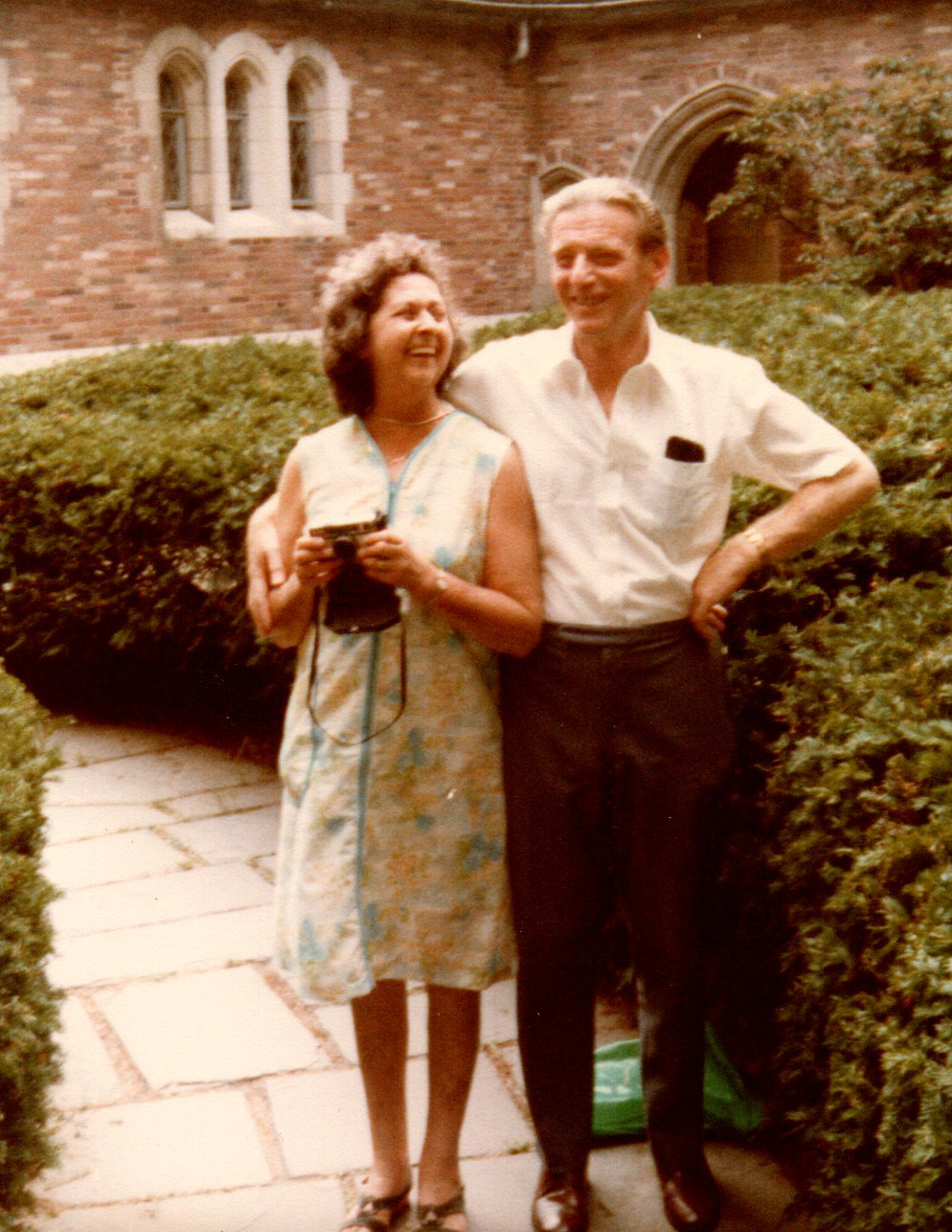
Dad
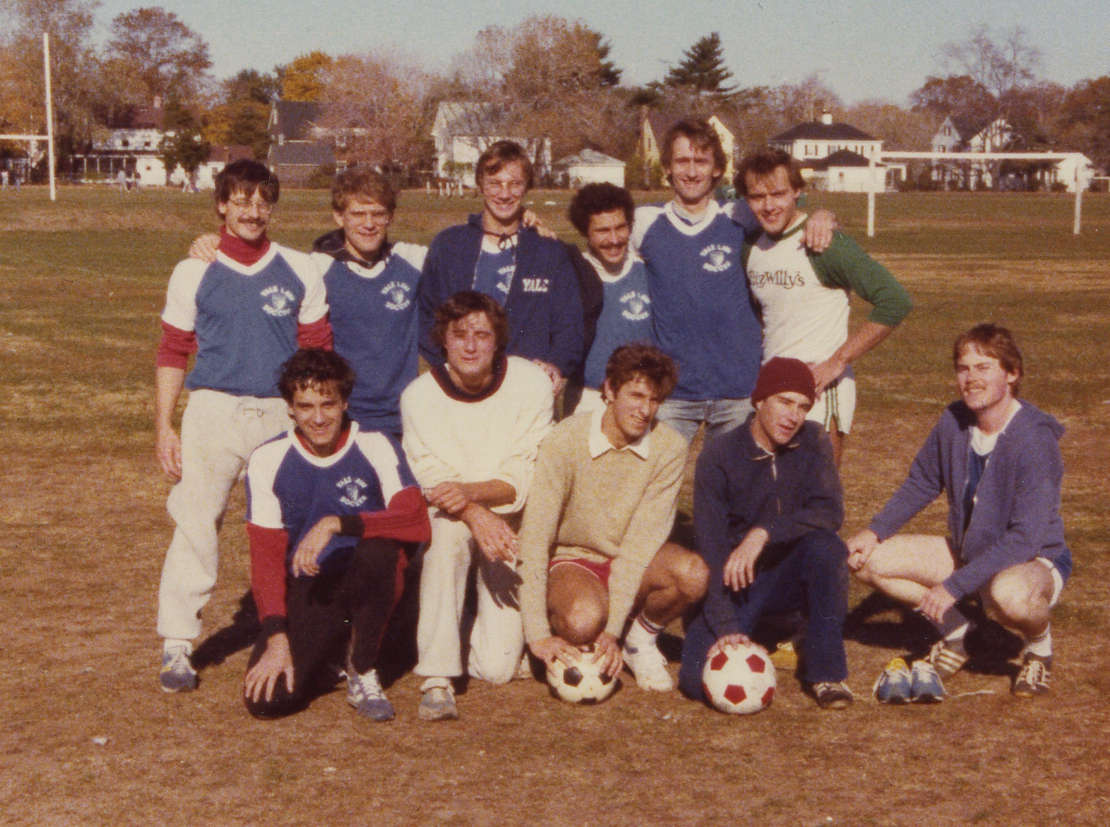
I had been pretty hard on him since about 1969. That was the year that I basically stopped studying at school. In early 1970, I was playing truant regularly, both to spend hours in front of the pinball machines at the West Street Cafe and to work half days waiting tables at the White Swan. I was kicked out of chemistry for participating – the headmaster said leading – a water fight in class that featured bunsen burners attached to water taps.
I did scrape my way into an electrical engineering degree course at Imperial College in London, and even won a good corporate sponsorship which would have saved dad a lot of money over the three-years of the course. British students then were not expected to work during the academic year and their parents were expected to pay their Uni living expenses.
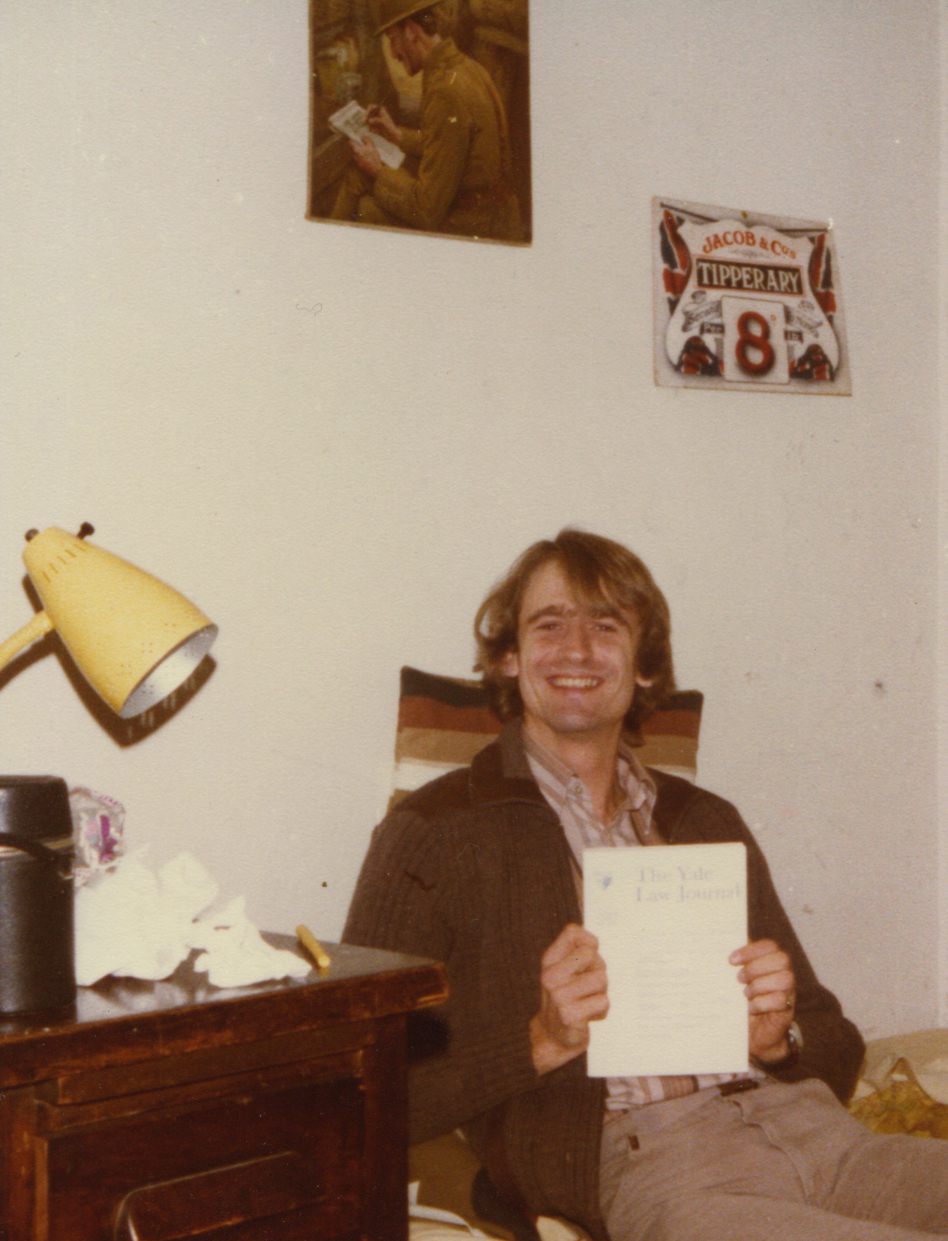
But I had already started hitchhiking around North America and Europe, and dropped out of Imperial College my first semester, carelessly abandoning the scholarship. I wrote an article for Felix, the college newspaper, called “The Reason Why Not,” to justify dropping out, and embarked upon years of cheap travels, funded by jobs like warehouseman and lorry driver. This was not exactly what dad had hoped for me.
Then when I did go back to college, it was in the US, which he didn’t appreciate at all. He would have much preferred me to stay me in Britain, closer to home, and wasn’t sure what exactly I was doing. Of course, I majored in Human Ecology – “what’s that?” – in an experimental program at UC Berkeley, called Strawberry Creek College – “what’s that?” – neither of which reassured him. I don’t know how Berkeley and its earlier Free Speech Movement had been portrayed in his newspaper, the Daily Telegraph (the Observer on Sundays), but I bet that Cal’s history was also a source of concern.
I graduated from Cal in 1979. Admitted to Yale Law, as well as to my first choice, which was the University of California’s own law school in Berkeley (then called Boalt Hall), I finally asked for dad’s advice.
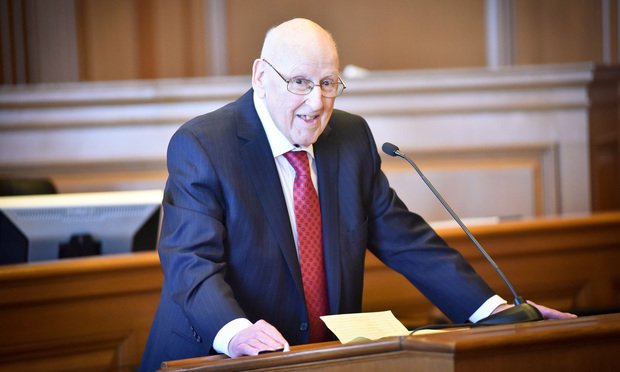
It turned out that the New York lawyer for the British multinational dad worked for, Reed International plc, who was a partner in a New York law firm, had obtained his law degree from Yale. When dad called him, he strongly recommended that I accept the Yale offer: it was a wonderful education, he said – he was right! – and I was very lucky to have the opportunity.
I thought, well, okay, it’s been ten years and all that I have done on my crooked career path has upset dad. Let’s make him happy this time. I accepted their offer, turned down Berkeley – boo hoo! – and mum and dad themselves dropped me off in New Haven.
My Small Group
The second thing that the law school did for me was take a leftie Berkeley hippy and plonk him down in a small group learning Constitutional law from a serious professor on the political right. All of us starting at the school had a small group, 18 or 20 of us in each, during our first semester, but for me Con Law from Professor Ralph Winter was a cut above as an experience.
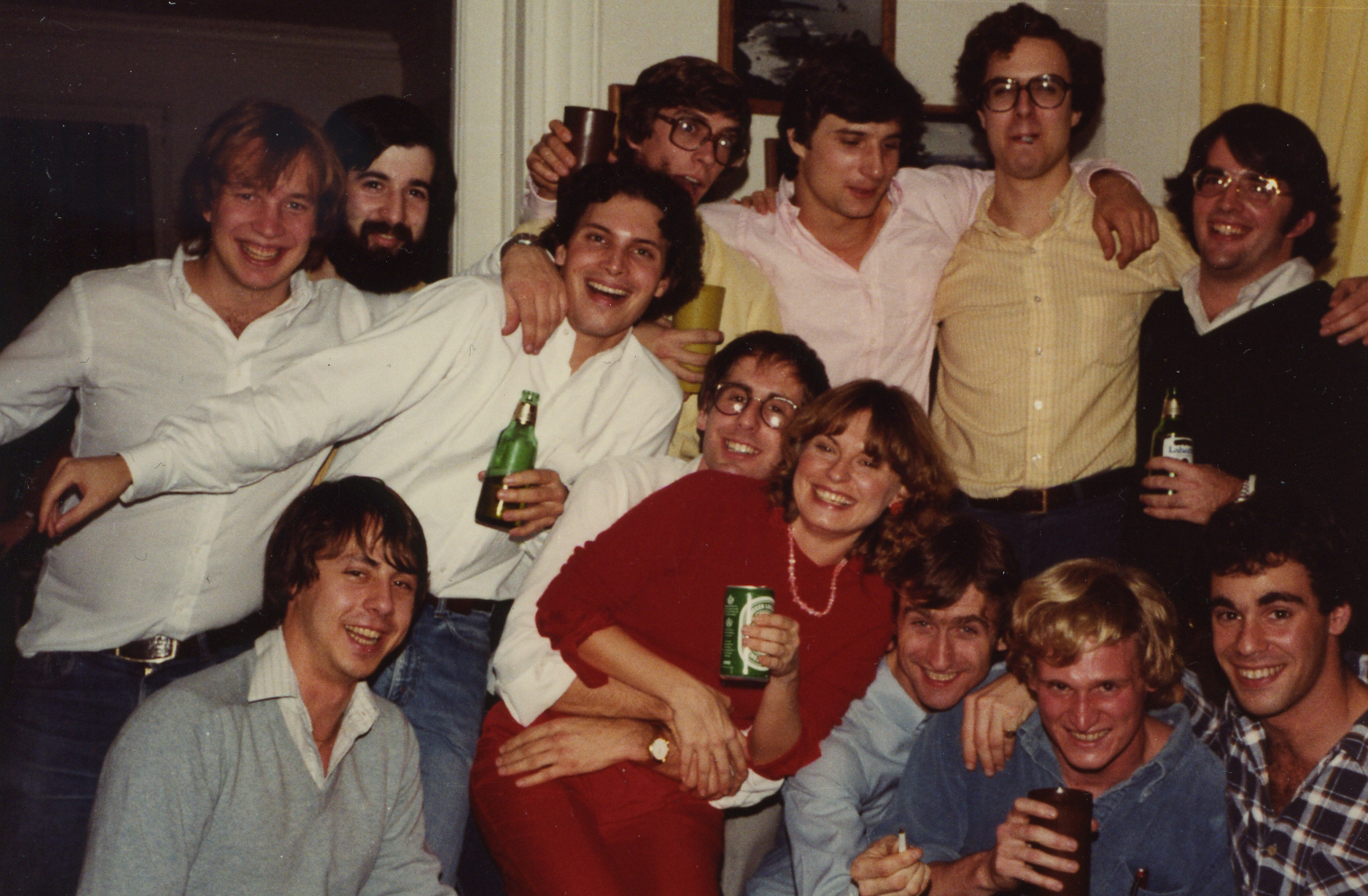
Ralph – I have never been able to stop calling him that! – had argued Buckley v. Valeo, a 1976 US Supreme Court case which was a precursor to 2010’s Citizens United. Buckley threw out on First Amendment grounds significant restrictions which the Democratic Congress had enacted on how much money could be spent on election campaigns.
Reasonably enough, Ronald Reagan believed that Professor Winter had helped him to be elected President in 1980, and soon appointed him to the Second Circuit Court of Appeals, perhaps the most important appellate court in the nation. Ralph also participated in the early days of the Federalist Society, speaking at their first conference. It grew to become the most successful group of activist lawyers during my lifetime.

I’m not saying that my trendy leftie prejudices were tested in that Con Law class. I was full of the arrogance of youth, and felt comfortably holy in my hippy way of supporting the poor and disenfranchised. This was somewhere between the prevailing currents of “free market” and “socialist,” and involved trying to imagine how institutions could be influenced and modified to improve the lot of the unfortunate. This focus agreed in part and disagreed in part with both prevailing currents, which made it easy for pretty much anyone to disagree with!
Ralph’s small group did indeed plant the seeds of a more open mind. George Paul, who became a good friend, was one of two libertarians in the group, and a wide range of other beliefs balanced my own. Our little student world was so much broader, in class and in my dorm, than it had been in Berkeley.
This was real intellectual diversity. I’ve always been a loner, and rarely as able to make substantive contact with so many people with different backgrounds and views. I loved it.
It didn’t necessarily love me!
Still Joe College
I was still acting as if I was still in college, even though I was older than many of my peers. Most were more serious, as befitted this particular graduate institution. I wore a Guinness sweatshirt on arrival (which did find me a good friend in the first days there) and later a YAIL sweatshirt. The latter referred to the Yale Association of International Law, but I wore it because it looked like Yale misspelled!
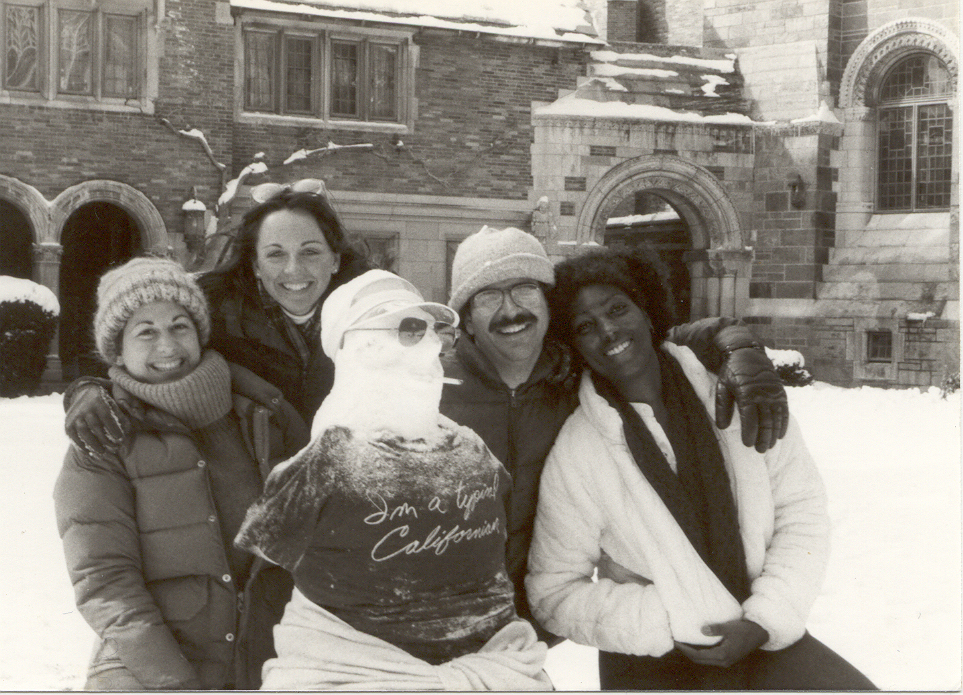
I pinned a few verses from Bob Dylan’s amazing 1964 song “Chimes of Freedom” on my dorm room door, to let people know what I was doing there. Here is most of the last verse on the chimes of freedom tolling:
“Starry-eyed an’ laughing as I recall when we were caught . . .
Spellbound an’ swallowed ’til the tolling ended:
Tolling for the aching ones whose wounds cannot be nursed
For the countless confused, accused, misused, strung-out ones an’ worse
An’ for every hung-up person in the whole wide universe
An’ we gazed upon the chimes of freedom flashing.”
That’s who I was there for, in my heart at least, the “countless confused, accused, misused, strung-out ones an’ worse.”
Still clinging to rock’n’roll, I played Bruce’s “Darkness on the Edge of Town” and Meat Loaf’s “Paradise by the Dashboard Light” on the record player at all hours. Dave Lewis, my roommate in that first year two-bedroom suite, was quietly tolerant!
Meri Ann Nieda, whom I shared an apartment with third year, put up with the sensory deprivation tank that several of us installed in her and my basement as a commercial venture. We knew how hard it was to relax with all that academic pressure around, and thought that our fellow students might pay for a little relaxation. Of course that business failed! Our level of commercial acuity may have been why we were at law school.
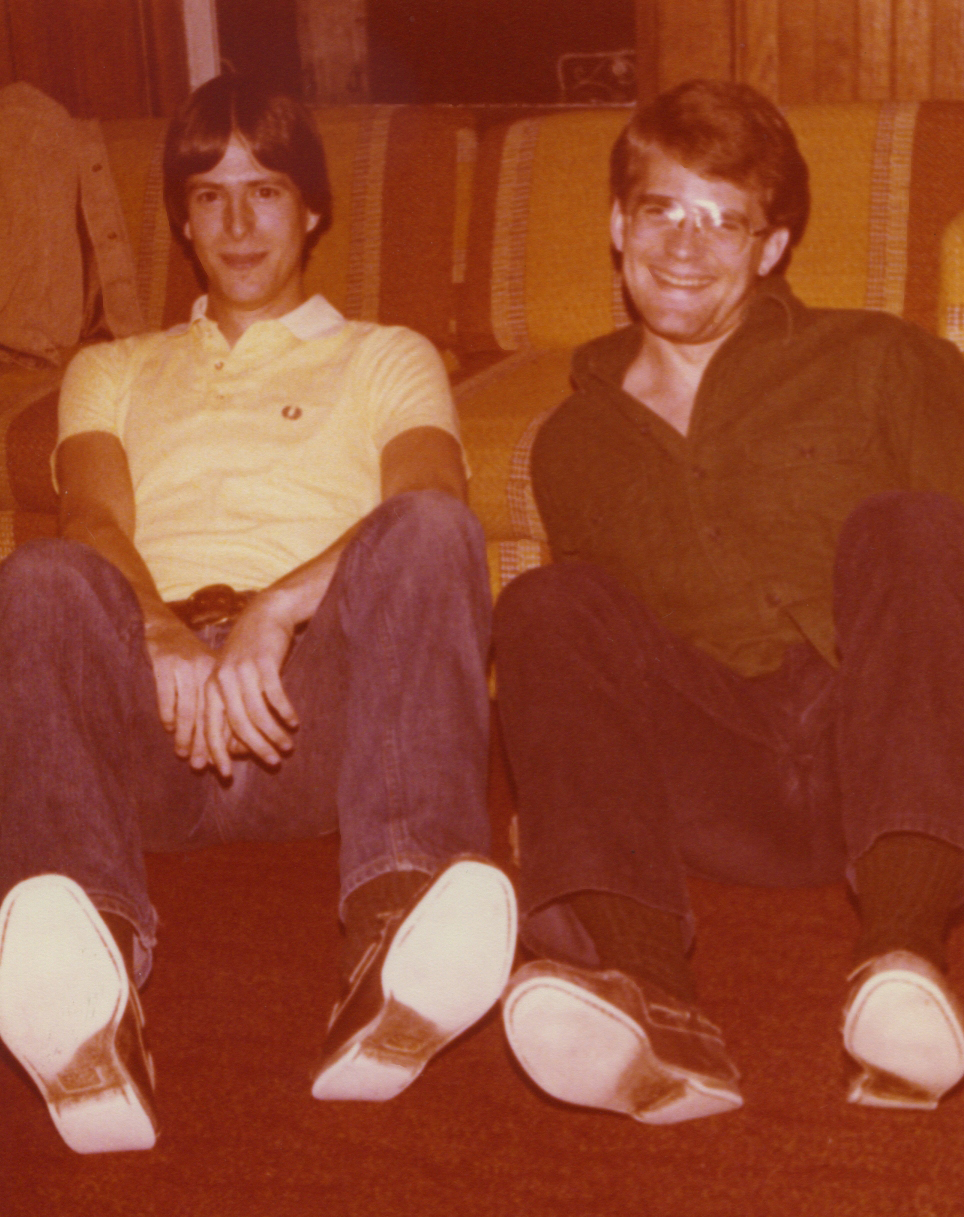
In some ways the school reminded me of Solihull School, the English “public” school where I boarded for a year. Balancing its greater diversity, Yale was more uptight than Berkeley, less free-spirited, as was Solihull relative to my other English schools. The difference was that I was now old enough to handle the differences, even appreciate them at times.
Many others in my class felt different from the preppies of the Ivy League. That was part of the diversity which I appreciated so much.
For example, varying groups of us linked up here and there based on our California backgrounds: ever since I moved there in 1974, I’ve been a Californian at heart. We called our second year home, a rented house on the beach in Milford, a few miles from New Haven, “Hotel California,” even though Long Island Sound is nothing like the Pacific Ocean, and even though the weather most of the year made the beach irrelevant.
Not “The Paper Chase”
And the school was kinder to us all than I had expected.
My fear about attending law school focused on being “called on” by the professor in class. The “Paper Chase,” which featured Harvard Law School, highlighted the possible unpleasantness of that process for a first year law student. A Professor would pick a student randomly and ask him or her a question on the assigned case, and would ask follow-up questions, going further and further on or off topic, until the student failed to answer correctly. That was the inevitable progression, and it happened to me a few times.
At first I felt embarrassed and a failure when the last question tripped me up, as it inevitably did. Then I figured out that getting to the question that stumped you was the whole point of the exercise. You couldn’t avoid it!
I deduced that the purpose was to prepare you as a lawyer to handle arguing with a judge in favor of your client. If you let the judge’s hard questions floor you, you would disserve your client. Part of legal education was preparing you emotionally for that, and other, failures. I learned not to be so embarrassed or even floored by such failure, a learning which would likely have not occurred if the School had beaten me over the head with the message.
Yale professors did call on students, almost all of them, but generally with no cruelty. We had lightweight class experiences, to go with the lightweight grading. The grades were Pass, High Pass or Fail, and there few of either extreme. That reduced the pressure of A to F grading. And we had supportive professors. I once got into a shouting match in the small group with Ralph, who really disliked the minimum wage laws that I thought were the bare minimum, but I never felt that he held it against me.
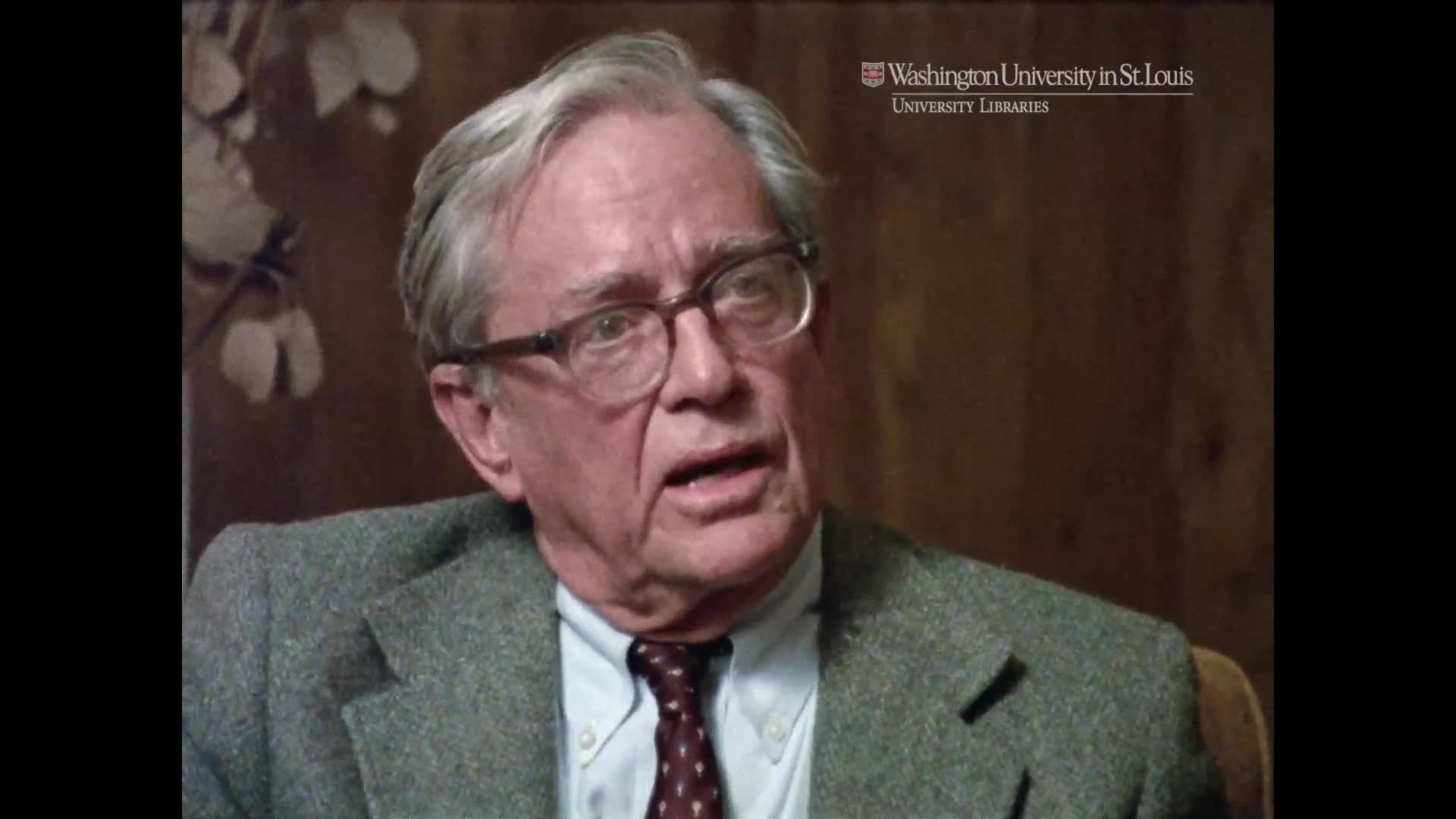
Professor Burke Marshall was the faculty member who was the most kind to me.
I got to know him by taking two of his classes: Federal Jurisdiction, which covered the allocation of competence between the Federal government (commerce, foreign affairs, immigration) and the States (almost everything else); and the First Amendment, the bedrock of American democracy, which became my favorite part of the US Constitution.
Marshall’s resume was incredible, and is summarized in this Yale Law Report tribute.
Most visibly, he was Assistant Attorney General responsible for Civil Rights under Bobby Kennedy and, according to his Yale obituary, “played a key role in civil rights victories that included the government’s 1961 ban on segregation in interstate travel, the desegregation of the University of Mississippi in 1962 and the adoption of the Civil Rights Act of 1964, which barred discrimination in public facilities.” Now that is what you call having an impact!
Patterson Belknap
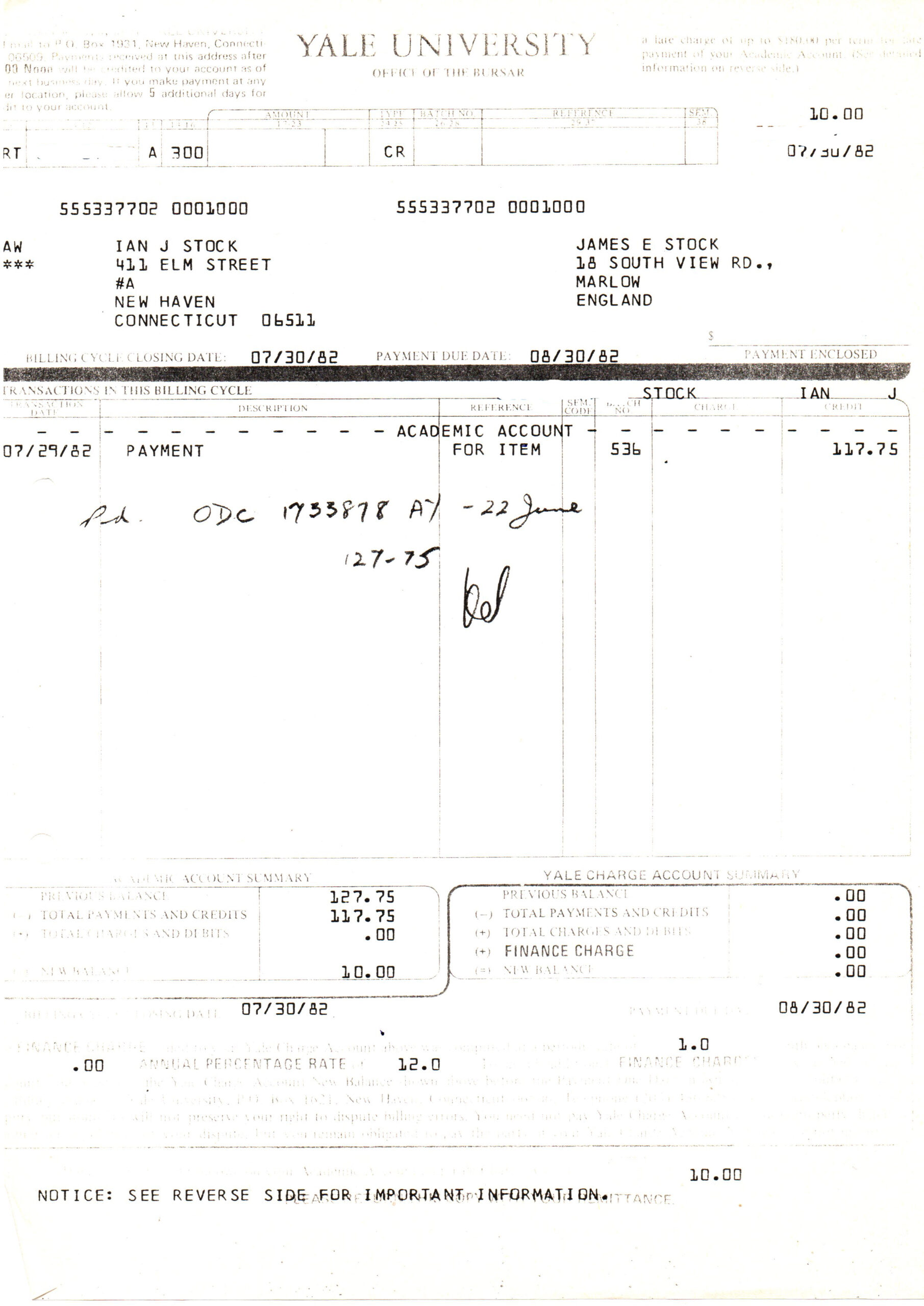
I needed to earn real money each summer, which meant working for a corporate law firm: tuition increased by $1,000 each year, my loans and scholarships did not, and dad‘s contribution to that expensive degree was a one-off $117 for library fines the day before graduation. This time, he and mum attended!
I had not yet decided to act my age during law school – that took longer than I’d like to admit! – and paid for that during my two summer jobs by partying at times too visibly and generally not adopting “white shoes.” Plus, I never did decide to kowtow to corporate law firms, at least not to the extent that they wanted.
As a result, a creepy New York firm, Patterson Belknap Webb and Tyler, where Rudy Giuliani worked from 1977 to 1981, punished me after I spent my second summer working for them by asserting that my legal writing was inadequate. If true, that would have been a drastic blow to a career in corporate law, which my financial situation was leading me toward. I graduated owing $25,000 (compared to savings of $2,000 after graduating from Cal), not bad for such a fine education, but $400 per month in initial repayments were limiting in their own way. (My 1983 rent for a one-bedroom in lower Manhattan was just over double that). My peers who embarked on careers in pro bono law were typically well off.
Patterson Belknap made up that putdown about my legal writing. Professor Marshall was kind enough to read the legal research memo which the firm had cited in support of their judgment. He figured out how they had gamed the assignment – they hadn’t put much effort into the gaming – and told me that my writing was fine. Already very reassuring.
He then followed up by mentoring me through a “Supervised Analytic” paper on the First Amendment. A student needed to complete two Supervised Analytic papers in order to graduate. Professor Marshall’s supervising my second gave me an opportunity to prove to myself and others that the creepy firm was wrong, with his help of course. That paper, on the political speech of corporations, was the hardest work that I ever did as a student, and the most satisfying.
I didn’t quite get there in that paper, but it was a step on the way to a view of the First Amendment which undermined parts of Buckley v. Valeo. In my view, some of the Congressional limits on political expenditures which the case invalidated should have withstood First Amendment challenge. Wait a sec: was I still debating with Ralph?!
Professor Marshall continued following up, almost a year after my initial problem, by referring me to potential employers after graduation. I was working through my “am I a hippy or am I corporate” doubts – they indeed lasted my entire career! – and he gave me good referrals in both directions.
Burned out after graduating, I retreated from the fray, settling in a windowless basement studio in San Franciso’s Mission District for a year of reflection on what to do next, and to be honest for more than a little partying, largely funded by dad.
Finally!
On Track
A year later, at the tender age of 30, I accepted a corporate job with a firm in New York City, one of whose partners, Adam Walinsky, was a former colleague of Marshall’s in the Attorney General’s office. Launched on a career!
Also, finally!
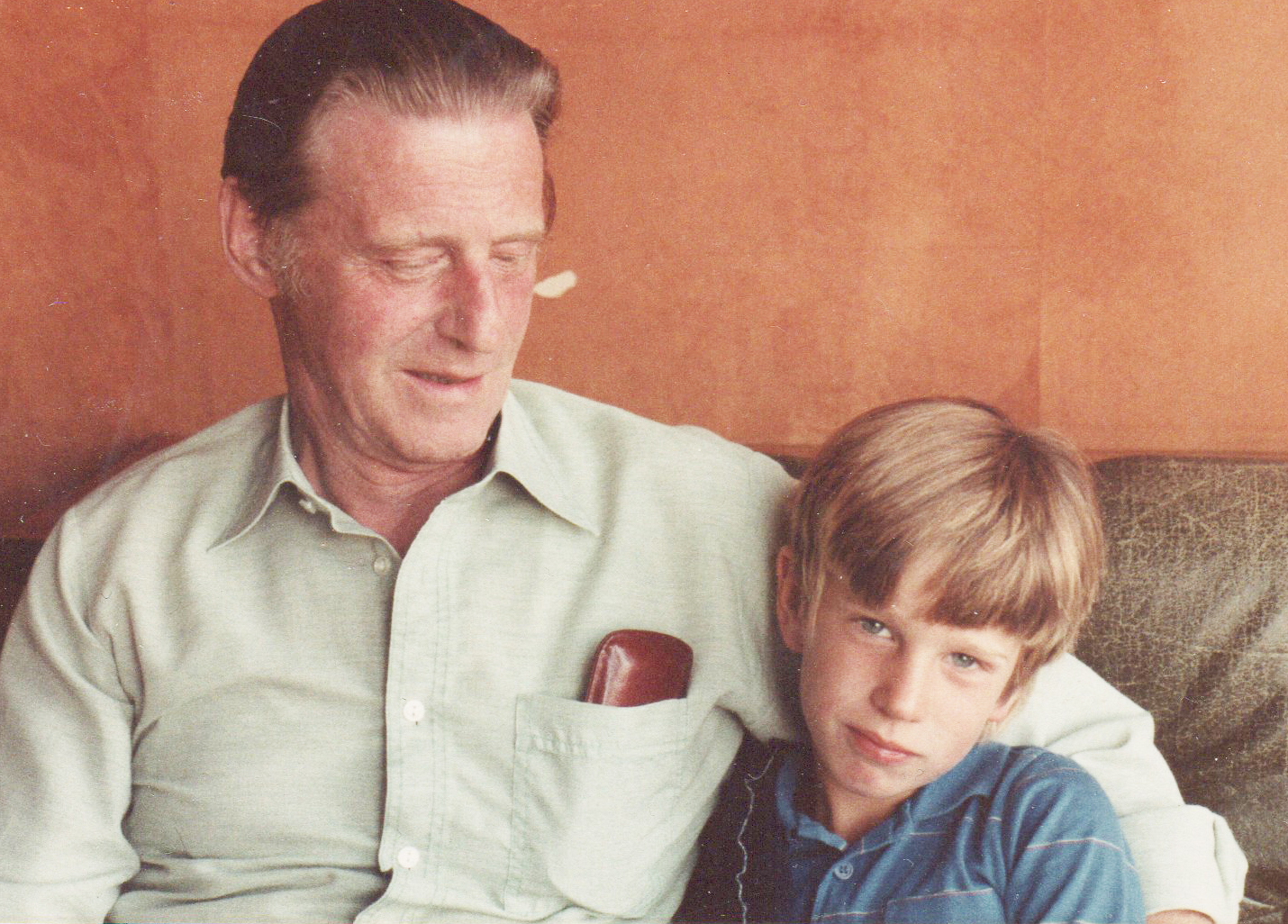
Dad, who had his first heart attack when he was 46 in 1972 and bypass surgery in 1982, died in London of a heart attack in October 1983. This was just two months after my career began. He had visited me in Manhattan on a business trip during those two months, seen my lower Manhattan apartment, and was visibly delighted that I was on my way. And I was so very grateful that he had seen it happen.
The truce was signed just in time.
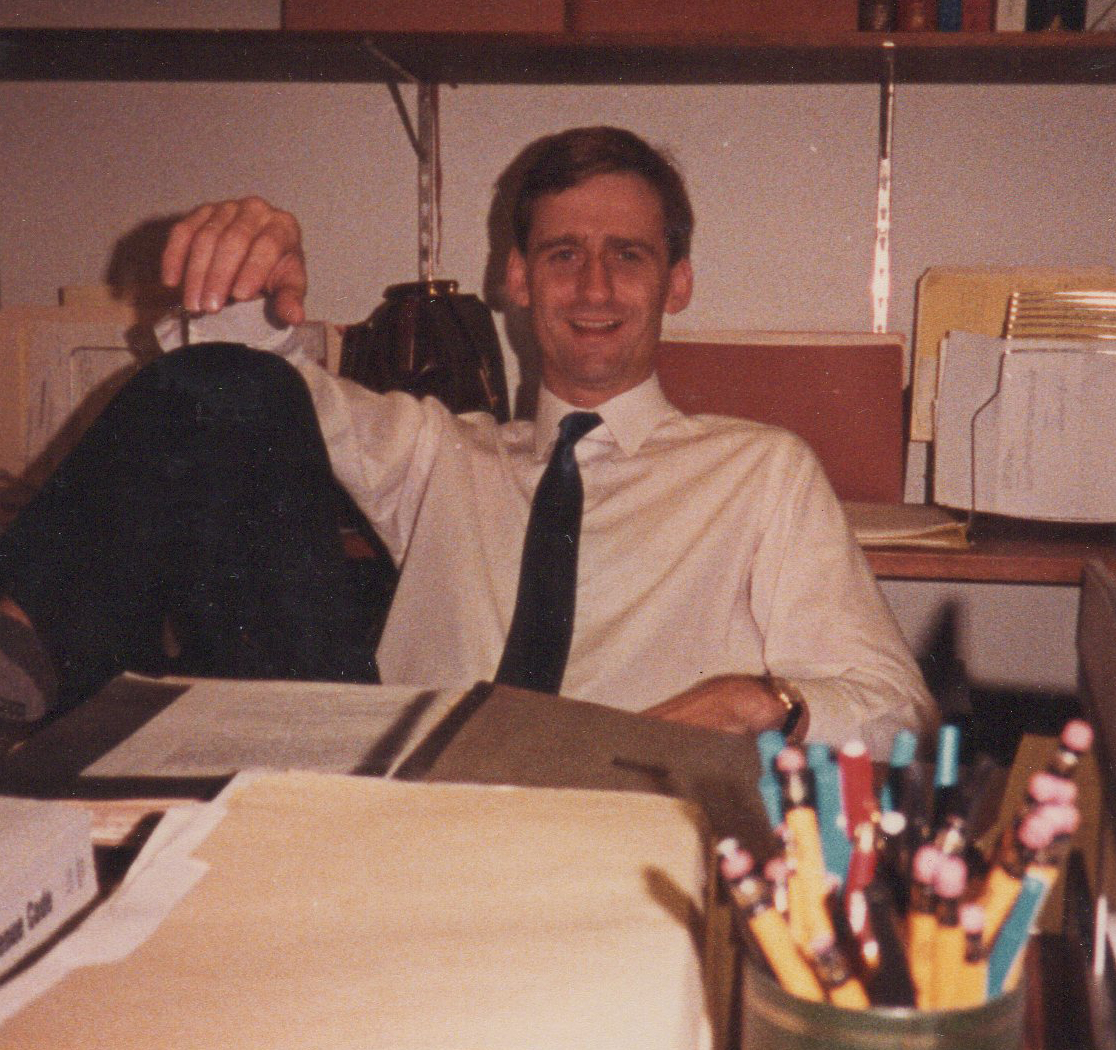
Getting over losing her husband, mum brought her older sister Margaret to Manhattan in the fall of 1984. A year had gone by, and I had settled down in my first real job.
I was a corporate associate working on municipal bonds and commercial loans at Kronish Lieb Weiner & Hellman in Midtown Manhattan, next to the Hilton. It was a very human place, seriously competent but able to appreciate the fun side of life.
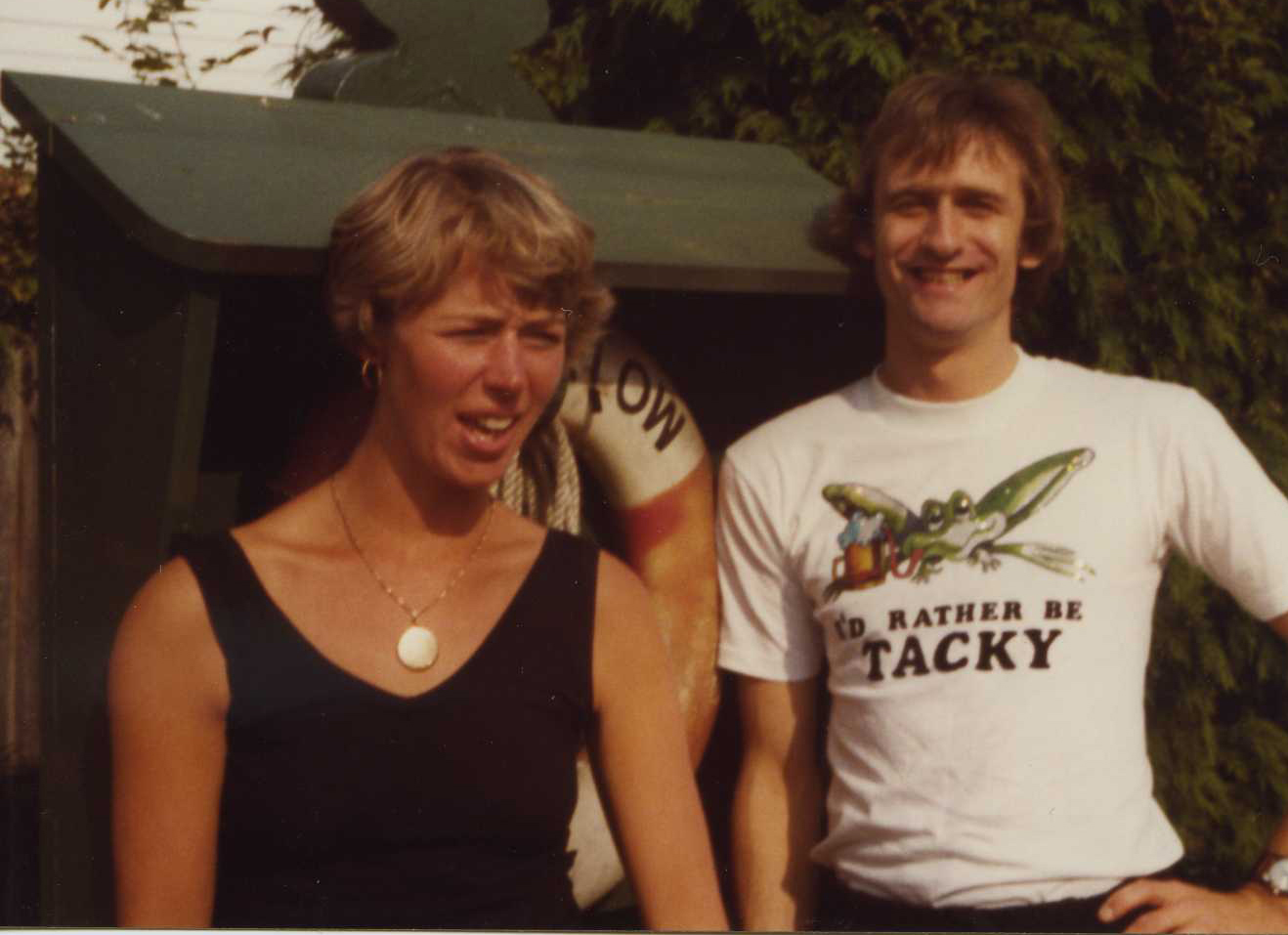
As you can see in this photo, taken by mum during her visit, I was already enjoying my work.
Adam Walinsky, the firm partner who was a former colleague of Professor Marshall’s, opined that one only became a man after losing one’s dad. I could not argue with that.